Over the years, people and families accumulate several assets, including jewelry, collectibles, family heirlooms, artwork, etc. Most of these belongings grow in value with time, both financially and in terms of sentimental attachment.
However, these valuables can be subject to damage, theft, misplacement, and more, without proper protection and a homeowner’s policy isn’t sufficient to protect your high-value assets.
One of our long-term clients, Derek, faced a similar situation.
He was proposing to his fiancée on a boat with a family heirloom ring that had been passed down through three generations. As he knelt to propose, a sudden wave caused the ring to slip from his hand and fall into the water, leaving him devastated.
Fortunately, the client had insured the ring, understanding its deep sentimental value. Pasadena Insurance worked with the insurer to hire a dive team, and against the odds, the ring was recovered.
Are you prepared like Derek? If not, how can you protect your assets against unforeseen mishaps? Let’s find out.
Why you Need Additional Coverage for High-value Personal Items
Valuables that have been around for generations in the family represent years of investments, sentimental value, and financial appreciation. Many people underestimate the gaps in their homeowner's insurance, leaving these items vulnerable.
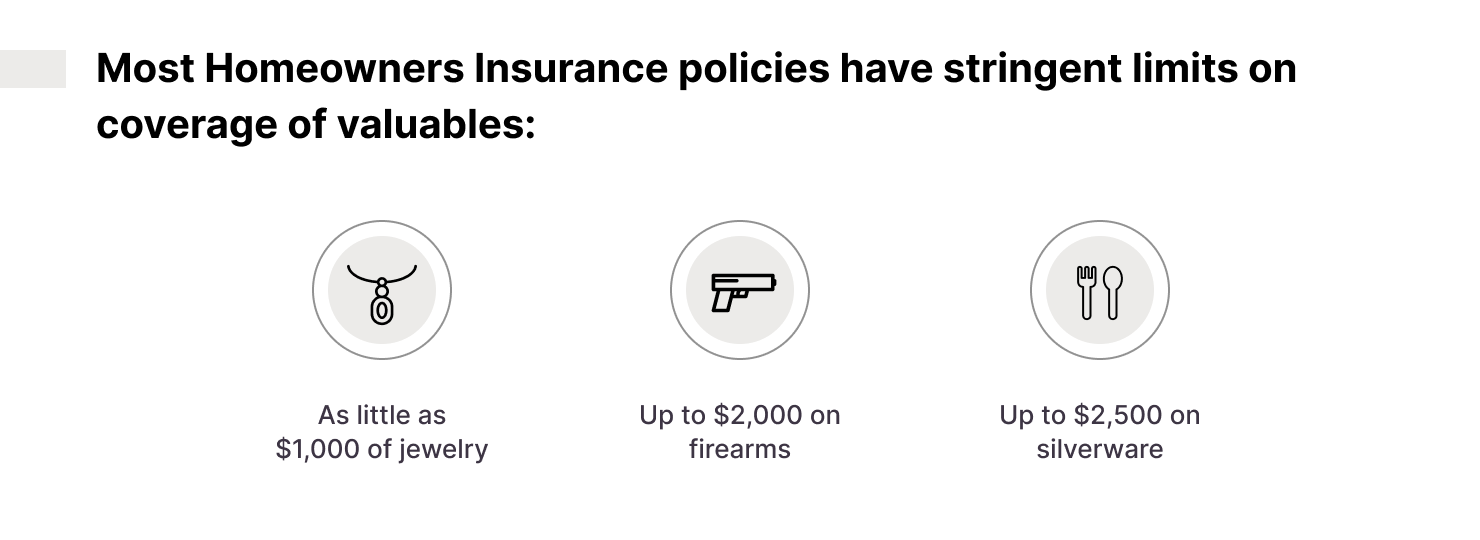
A valuable item endorsement or scheduled personal property endorsement offers increased coverage limits, sometimes up to $50,000, which can meet the needs of many homeowners. However, for those with more extensive collections, standalone policies might be necessary to ensure adequate protection.
How to Get Started - Conducting a Home Inventory
If you are just getting started with your valuables, the first step is conducting a detailed home inventory.
It helps you document what you own, assess its value, and streamline how to get proper insurance coverage. A well-maintained inventory also simplifies claims in case of loss or damage.
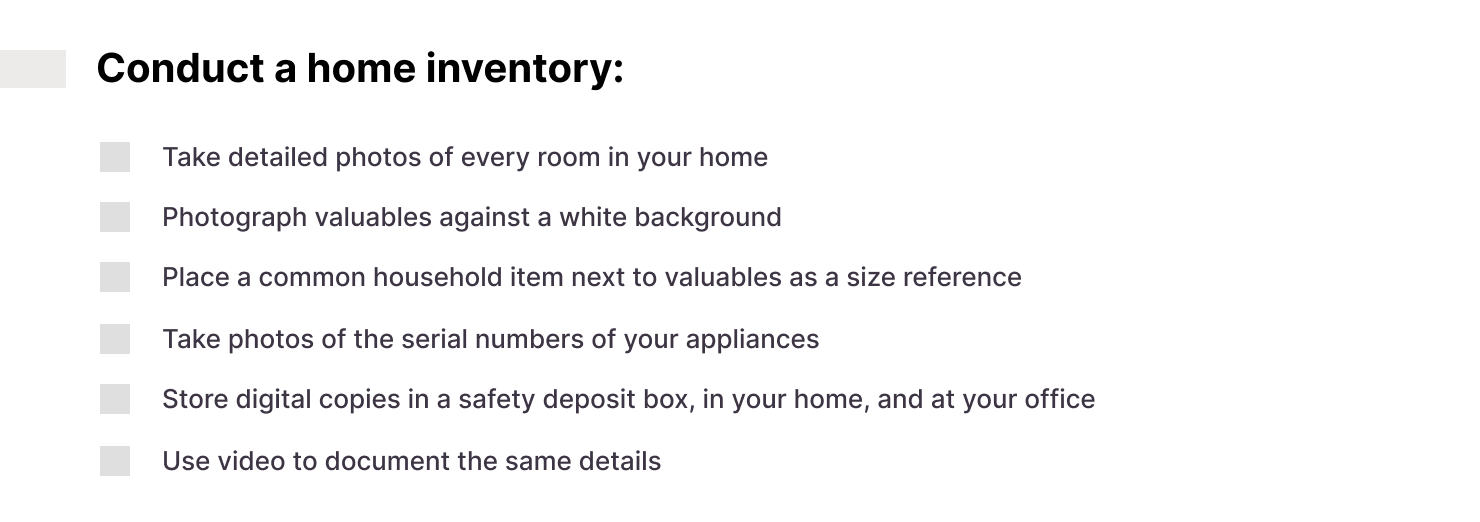
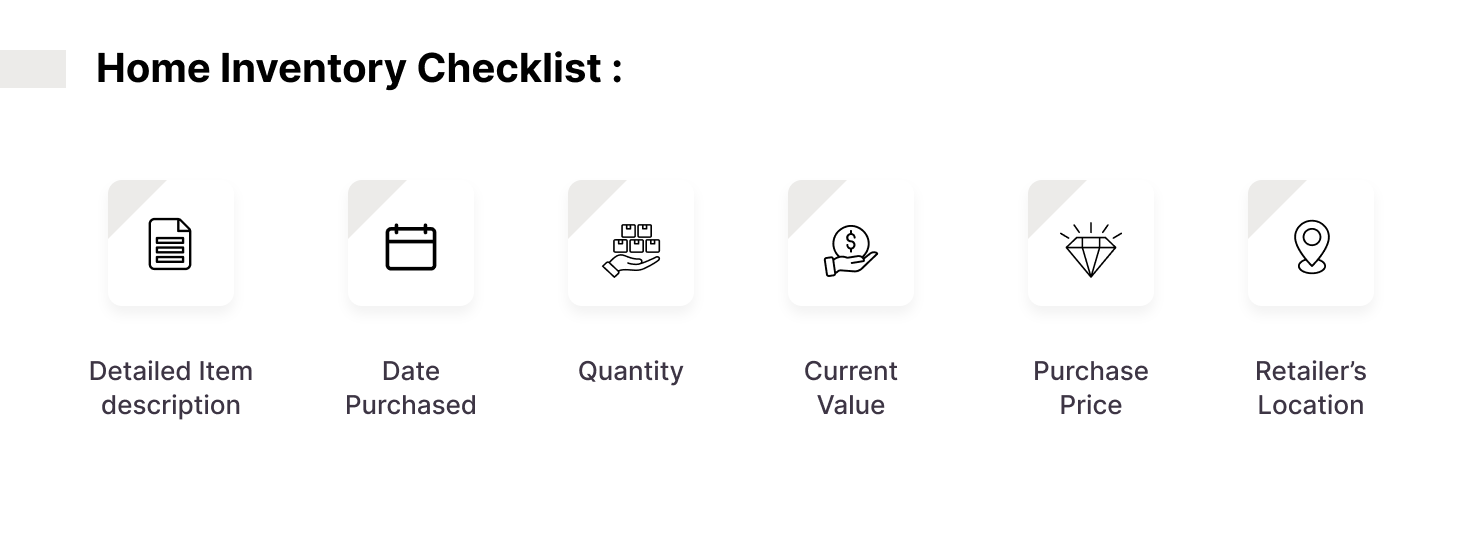
Following these steps can help you in risk management and support your insurance claims a great deal. You can also follow the following checklist for conducting a home inventory:
Understand Coverage and Insurance Options Clearly
Understanding your options for insurance coverage and policies is crucial for protecting your valuable assets.
You can get two types of coverage: actual cash value and replacement cost. Let’s examine them in more detail.
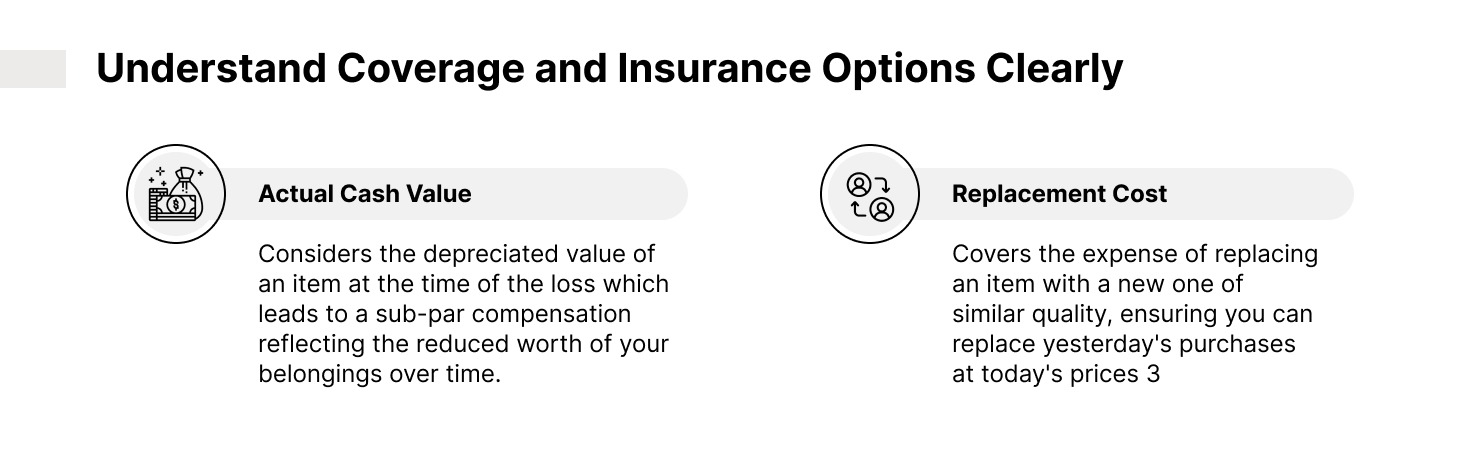
Keep in mind: To benefit from either coverage, you’ll need proof of your belongings, such as a detailed checklist, photos, or videos, to support your claim.
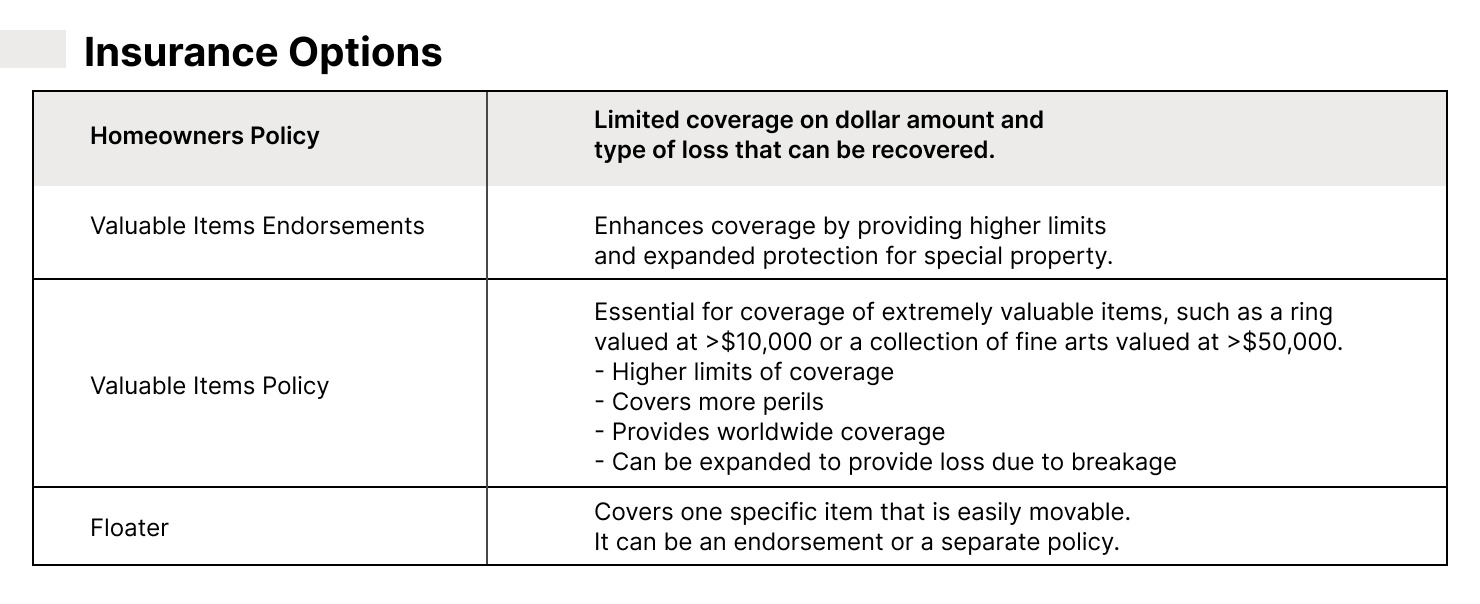
Now that we are thorough with the coverage options, let's look at the insurance options and how they can serve you.
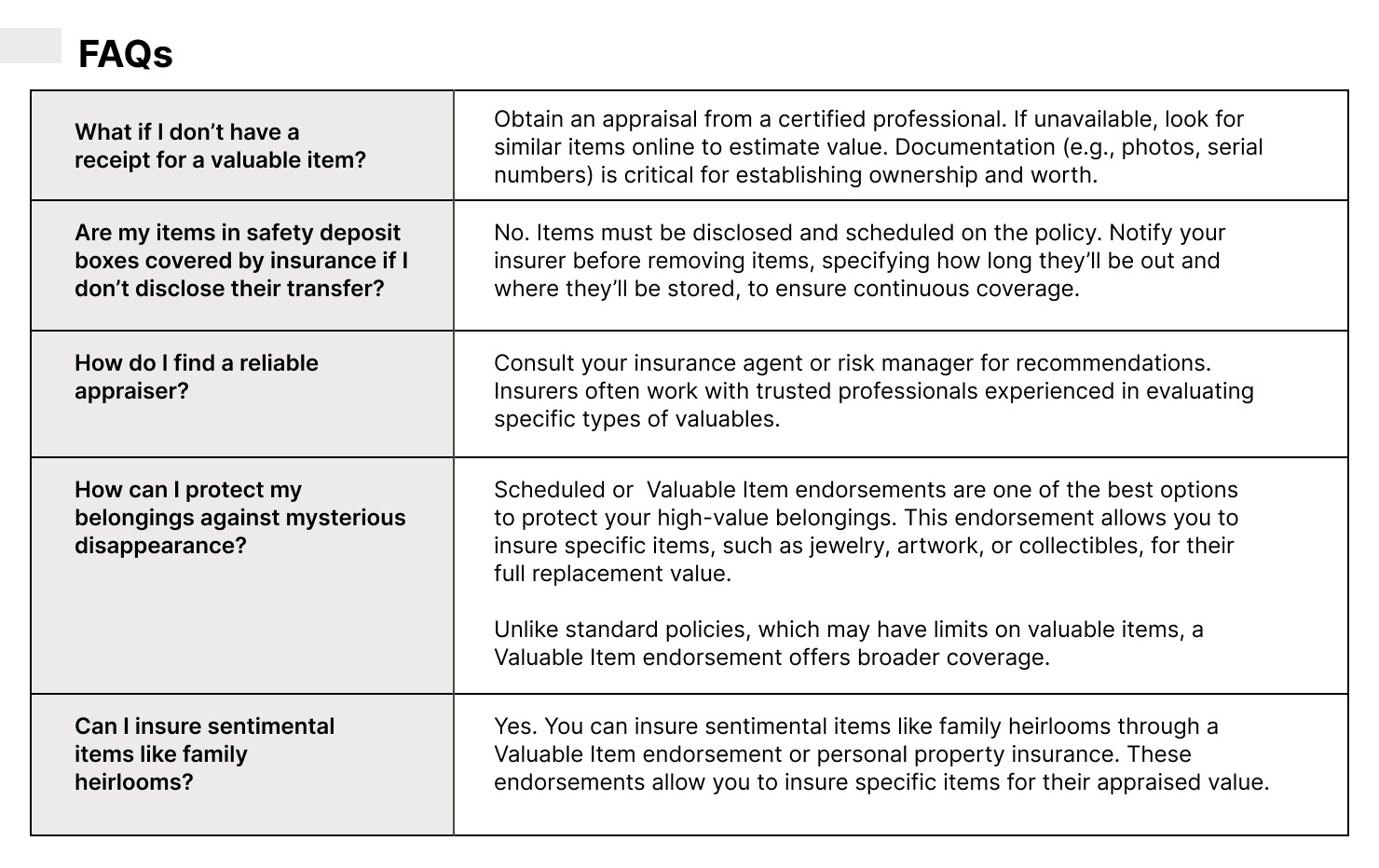
- Scheduled personal property endorsement: it covers specific high-value items like jewelry and antiques, with lower deductibles and “mysterious disappearance” protection for losses of unknown causes.
- Blanket Endorsement for Collections: this one offers a deal for collections where no item exceeds $2,500. It covers the entire collection under one agreed amount, simplifying protection.
- Coverage for Breakable Items: Ensure delicate items like china and statues are covered for accidental damage or repairs.
Insurance Options for Different Asset Types
Insuring Newly Acquired Property
- Many policies insure up to 25% of the scheduled insurance, for a maximum of 30 days following the date of purchase, m
- You may give the agent up to ninety days' notice for fine arts.
- When you purchase an expensive item, you are not required to contact your agent right away.
- But don't wait around—automatic coverage is only available for a limited period.
Insuring Antiques
- Obtain appraisals for all antiques.
- Store measurements, photographs, a copy of the most recent appraisal, and merchandise in a safety deposit box.
- Hire a qualified appraiser who has examined similar items before.
- Consider a floater policy and global all-risk coverage if you intend to carry your antiques to shows.
- Inform your insurance provider when you buy something new, so they can include it in your policy.
Insuring Art
- Get replacement cost insurance for your artwork.
- Employ a third-party art appraiser who can provide you with a value statement.
- Keep your sales receipts and authentication documents secure if you have them.
- Reappraise your artwork regularly and change the coverage as needed.
- Arrange multiple works of art in distinct places to reduce the chance of losing them all at once (vacation house, office, principal residence).
Insuring Jewelry
- Have every piece of jewelry evaluated by a third-party appraiser or in-store. Make a separate listing for each piece along with its value.
- Review your homeowner's insurance policy to determine if the value of your belongings exceeds the policy limits.
- Keep your most priceless jewelry in a safety deposit box or fireproof safe.
- Update coverage by regular jewelry inspections and appraisals.
Insuring Collectibles
- Determine whether an endorsement or a separate policy is necessary because homeowner's insurance policies only cover a certain amount of collections.
- Adjust coverage and have collections evaluated every three to five years.
- On your policy, list the products that will be collected separately.
- For periodic inventories, give a number to every item in the collection.
Insuring Family Heirlooms
- Use an antique pricing guide or consult an appraiser to determine the market value of heirlooms like china and furniture.
- Keep copies of appraisal records in a secure location.
- Take photos of heirlooms from multiple angles to document their condition.
- Consider floating insurance, or a "floater," if heirlooms are frequently traveled with or passed through the family.
Insuring Electronic Equipments
- Boost your homeowner's insurance to include coverage for pricey gadgets.
- Save your receipts for technology purchases so you can track your expenses.
- Get your college student a computer insurance policy.
- Electronic devices should never be left out in the open.
Risk Mitigation and Loss Prevention
Minimizing risks to your valuables involves taking proactive measures at home while traveling and in your daily routine. These precautions can help reduce the likelihood of theft or loss:
Home security measures
- Lock all doors and windows.
- Replace locks periodically.
- Make your home appear occupied when away.
- Keep valuables out of sight during visits.
Travel tips for safeguarding valuables
- Store valuables in your carry-on.
- Keep jewelry secure if removed.
Conclusion
Accidents are unforeseen, hence protecting your valuable assets is crucial. Proactive risk management and customized insurance solutions, like scheduled personal property endorsements, can help you safeguard your belongings effectively.
Don’t wait until it's too late! To safeguard your valuables, speak to our trusted partner, with over 80 years of experience and expertise.
Powered by MarketEngine from StartupWind